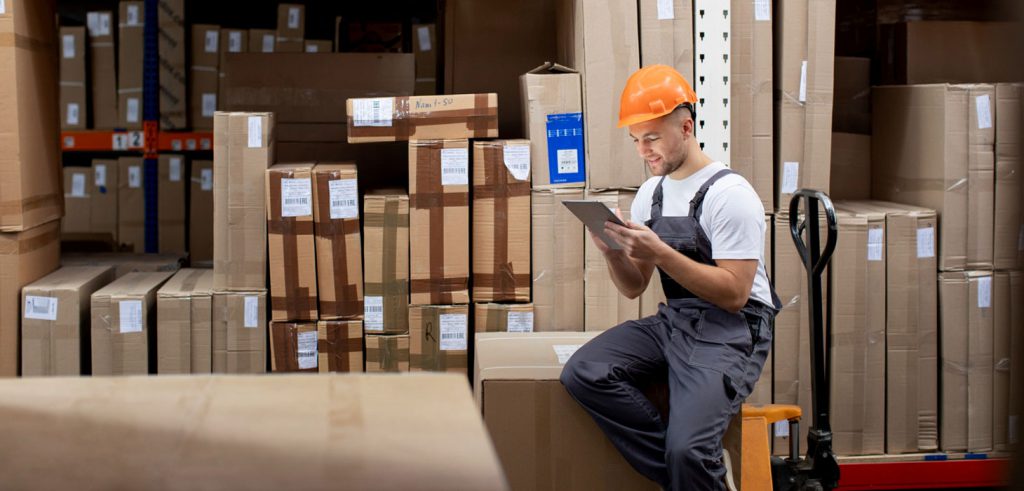
Order fulfillment for customers is an important aspect of any organization. The customer puts an order, and this order fulfillment procedure begins when the order is fulfilled and delivered to the customer’s door. Many businesses use third-party logistics (3PL) firms to help with fulfillment. 3PL companies are capable of handling every step of the supply chain, from fulfillment to storage. Apart from these services, inventory forecasting can also be handled by 3PL. When a company expands and its internal order fulfillment operations can no longer be handled, outsourcing through a 3PL is a suitable option.
There are five fundamental steps in the fulfillment process for any 3PL fulfillment organization. The business gets the order’s items out of the warehouse, chooses, packages, ships, and delivers them. Let’s examine the procedures more thoroughly to send the appropriate product to the appropriate customer at the appropriate time.
Innovative software, like GOIS warehouse management software, which handles inventory management for the 3PL, makes the process easier holds and its activities in the warehouse.
Items for an order are placed in boxes and cushioned with suitable packing materials, like bubble wrap, by a staff at the packaging station. Packing materials should ideally be safe but light enough to save shipping costs, according to the 3PL fulfillment service. In most cases, a seller has the option to request the use of particular packaging. Following packaging, a shipping label is affixed and the entire box is tightly taped shut. This includes all of the details required to deliver the items to the client. This is the point where the packing department verifies that the package’s weight and measurements are accurate.
At this point, you have two options: the 3PL business can handle shipment and delivery on your behalf, or you can make your own arrangements with a courier service like UPS or FedEx. It’s usually a smart idea to let your 3PL handle shipping if your business is small and you don’t need to send many items because they will have negotiated favorable pricing with the carriers. Additionally, they will be aware of the best shipping option to employ in order to deliver your items to clients as quickly as feasible.
Prior to shipping out, your 3PL fulfillment provider ought to ensure that every item in their care is in ideal condition. An item’s condition needs to be examined once more and recorded when it is returned. An item in good shape will either be disposed of or put back in the warehouse according to corporate policy.
There are five fundamental steps in the fulfillment process for any 3PL fulfillment organization. The business gets the order’s items out of the warehouse, chooses, packages, ships, and delivers them. Let’s examine the procedures more thoroughly to send the appropriate product to the appropriate customer at the appropriate time.
5 stages of 3PL fulfillment
Receiving
Stock needs to be replenished in a warehouse even prior to an order being placed. Orders cannot be performed if it is missing or insufficient. The Warehouse Receiving Order (WRO), a document that specifies the items’ names and quantities, is normally filled out by the 3PL when it receives inventory for its warehouse.Then a quality inspection and barcode scanning are performed on each item. The 3PL provider can verify that goods are placed in the appropriate bins and verify that the WRO is accurate by doing this. Their warehouse system requires this component.Innovative software, like GOIS warehouse management software, which handles inventory management for the 3PL, makes the process easier holds and its activities in the warehouse.
Picking
The Warehouse Management System (WMS) generates a picklist—a list of the items—when a customer’s order is prepared for fulfillment and designates a warehouse associate to retrieve each item from its designated storage bin. A picking pattern is created to make sure the associate selects the products in the most effective manner—one that requires the least amount of walking and travels the shortest distance around the warehouse. Picklists and picking patterns are both simply generated using the software.Packing
The items in an order are scanned and reserved for packing once picking is finished.Items for an order are placed in boxes and cushioned with suitable packing materials, like bubble wrap, by a staff at the packaging station. Packing materials should ideally be safe but light enough to save shipping costs, according to the 3PL fulfillment service. In most cases, a seller has the option to request the use of particular packaging. Following packaging, a shipping label is affixed and the entire box is tightly taped shut. This includes all of the details required to deliver the items to the client. This is the point where the packing department verifies that the package’s weight and measurements are accurate.
Shipping
Packages that are prepared for shipping are segregated according to their final destinations before being shipped. In this manner, all packages meant for a specific region are combined into a single vehicle.At this point, you have two options: the 3PL business can handle shipment and delivery on your behalf, or you can make your own arrangements with a courier service like UPS or FedEx. It’s usually a smart idea to let your 3PL handle shipping if your business is small and you don’t need to send many items because they will have negotiated favorable pricing with the carriers. Additionally, they will be aware of the best shipping option to employ in order to deliver your items to clients as quickly as feasible.
Return
Refunds and returns are inevitable in the retail industry, particularly for online purchases where customers do not physically view the merchandise until it is delivered. If a product needs to be returned for any reason, there needs to be a simple manner to handle it. Customer pleasure is guaranteed by doing this. Having your 3PL ship the item with a return label attached is an excellent method to expedite the return process.Prior to shipping out, your 3PL fulfillment provider ought to ensure that every item in their care is in ideal condition. An item’s condition needs to be examined once more and recorded when it is returned. An item in good shape will either be disposed of or put back in the warehouse according to corporate policy.
How to have a good 3PL experience
Being able to exercise oversight is the greatest method to ensure that your 3PL provides you with a positive experience. If you have GOIS, you can batch track, see which orders are coming in from which sales channel, and check on your inventory that is in their warehouse in real time. Batch tracking informs you of things like when expiration dates have passed and which batch of items a damaged item originated from. You can also get extensive reporting on every facet of the fulfillment process using GOIS software. Why not schedule our specialists for a demo right now?
Naushad Ahmed 
Naushad Ahmed is a technology expert at Goods Order Inventory (GOIS) specializing in inventory management, order fulfillment, and warehouse operations for small and mid-sized businesses. He shares practical insights on inventory control, stock accuracy, automation, and multi-location management to help businesses move beyond spreadsheets, reduce stockouts and overstock, and scale their operations efficiently.