
The Must-Know Platforms Helping Businesses Cut Costs, Boost Accuracy, and Stay Competitive
The Reasons Why You Should Have an Inventory Management System
Consider that you have a lemonade stand. In case you are not aware of the number of lemons, cups, and sugar you possess, you may fall short of something essential when a large group of people arrives. The same thing happens to businesses as well! An inventory management system is a super-organized assistant that records all your stuff, what you sell, and what you use to make your products.
The following is why it is such a big deal:
- No More Running Out: It helps you to be fully aware when you are running out of something so that you can order more before it is too late.
- Less Waste: You are not going to have an excess of something that spoils or becomes outdated.
- Happy Customers: You are able to discover what the customers desire and deliver it to them within a short duration of time.
- More Money: You save money by not wasting it, and you increase your customer satisfaction, which translates to additional money.
According to recent studies, businesses that use inventory management systems see an average of 5% increase in profits and a 10% reduction in storage costs. It is as good as having extra cash in your pocket!
Top 10 Inventory Management Systems in 2025
- GOIS (Goods Order Inventory Management)
- Zoho Inventory
- Fishbowl Inventory
- QuickBooks Commerce (formerly TradeGecko)
- Cin7
- Odoo Inventory
- NetSuite Inventory Management
- Katana MRP
- inFlow Inventory
- Salesforce Commerce Cloud
Let’s explore the top 10 inventory management systems you should be aware of:

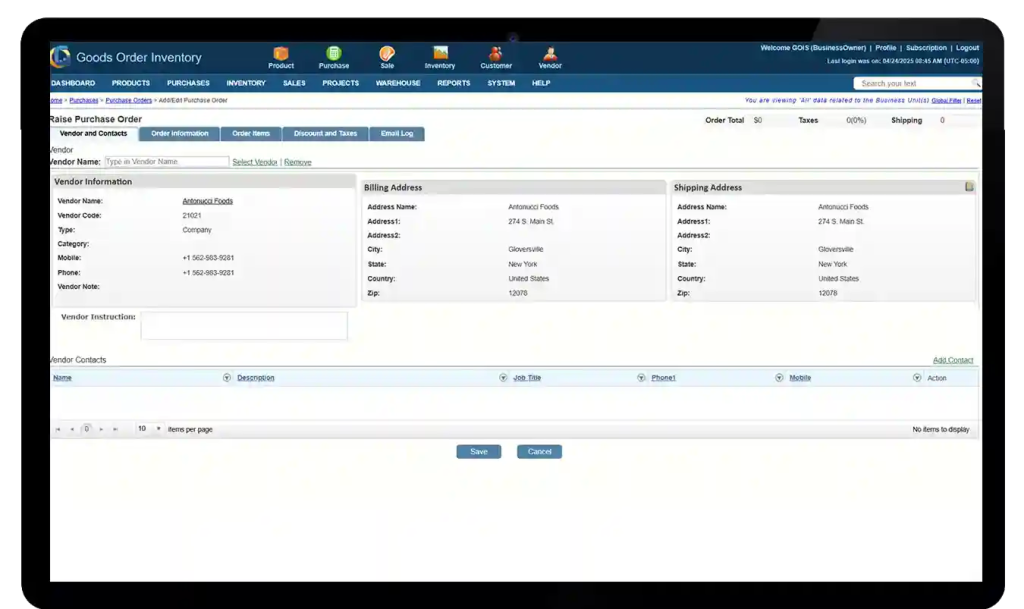
1. GOIS (Goods Order Inventory System):
GOIS is an end-to-end inventory management system that is intended to simplify the work of businesses of any size. It is based on the fact that it offers a user-friendly interface and a broad variety of features. Major functions are order management, stock control, reporting, and the ability to integrate with other popular e-commerce platforms. GOIS also assists businesses in streamlining their inventories, decreasing expenses, and enhancing customer satisfaction because it offers a centralized inventory management platform.
2. Zoho Inventory:
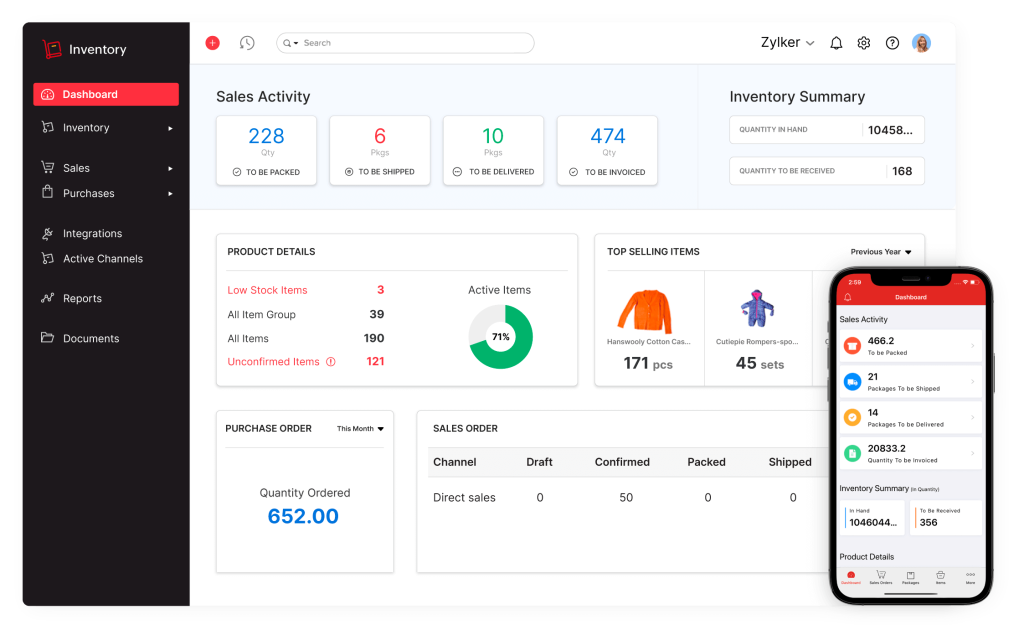
Zoho Inventory acts as an assistant, which helps to manage orders, track shipments, and monitor stock levels. It is based on ease of use and the ecosystem in Zoho. It is a great solution for small to medium businesses, as it is very easy to use and integrates with other Zoho apps such as Zoho CRM and Zoho Books. Some of the features are multi-channel selling, tracking inventory, and reporting.
3. Fishbowl Inventory:
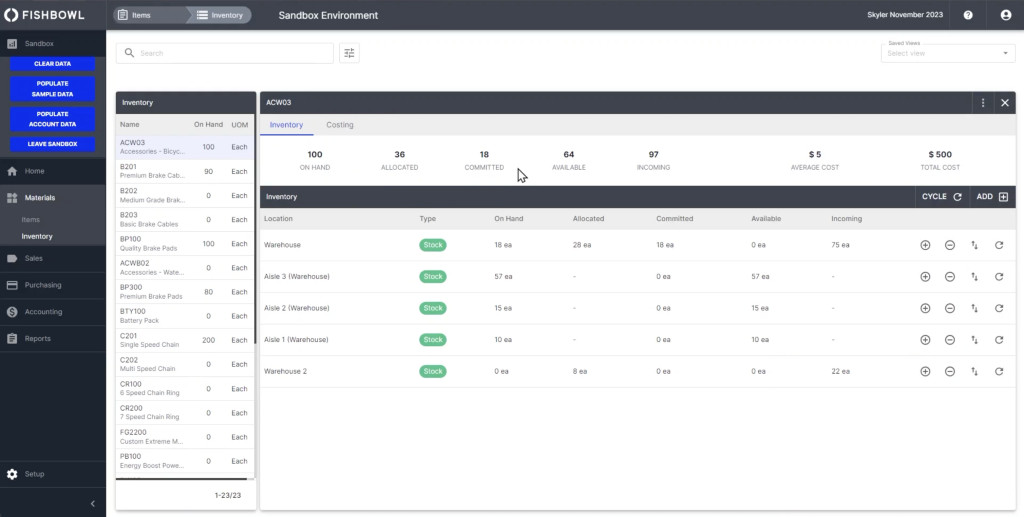
The Fishbowl Inventory is customized to suit manufacturers and wholesalers since it is good at handling complex inventory requests, including raw materials tracking, work orders, and finished products. It is based on offering effective manufacturing and warehouse management functions. Its main features are bill of materials management, processing of work orders, and enhanced inventory tracking.
4. QuickBooks Commerce (formerly TradeGecko):
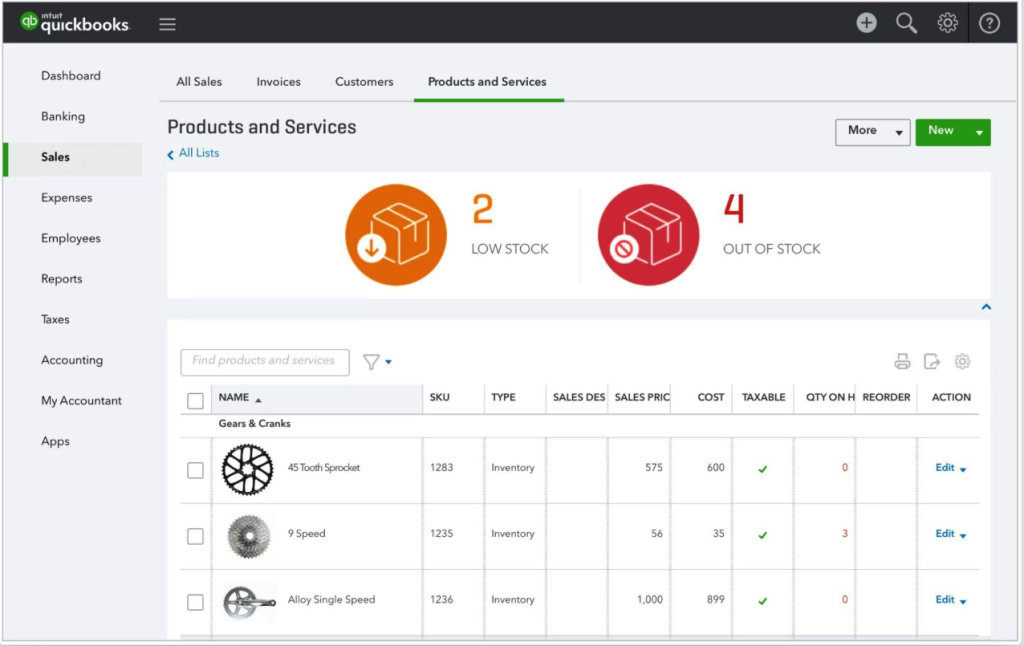
Incorporated with QuickBooks accounting software, QuickBooks Commerce is a centralized program for managing inventory and sales, which makes it ideal to use in a company with both internet-based and physical retailing. It is based on the seamless integration with QuickBooks, which offers a single platform for accounting and inventory management. The capabilities consist of multi-channel sales management, optimization of inventory, and reporting.
5. Cin7:
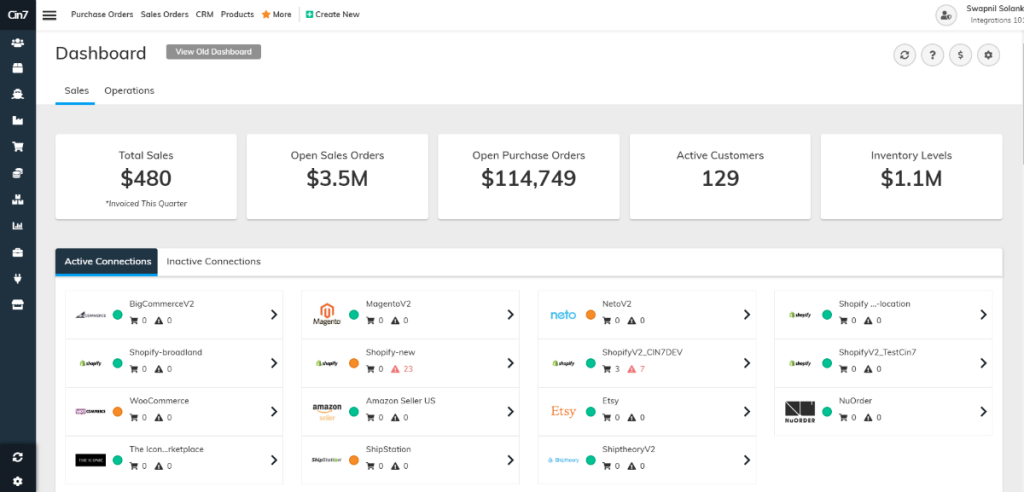
Cin7 is a powerful system that integrates all sales channels, such as websites, online markets, and physical stores, and allows controlling inventory, orders, and shipping unanimously. It is anchored on the provision of a centralized platform to undertake management of multi-channel sales and operations. Its main functions are order management, inventory control, warehouse management, and EDI (Electronic Data Interchange).
6. Odoo Inventory:
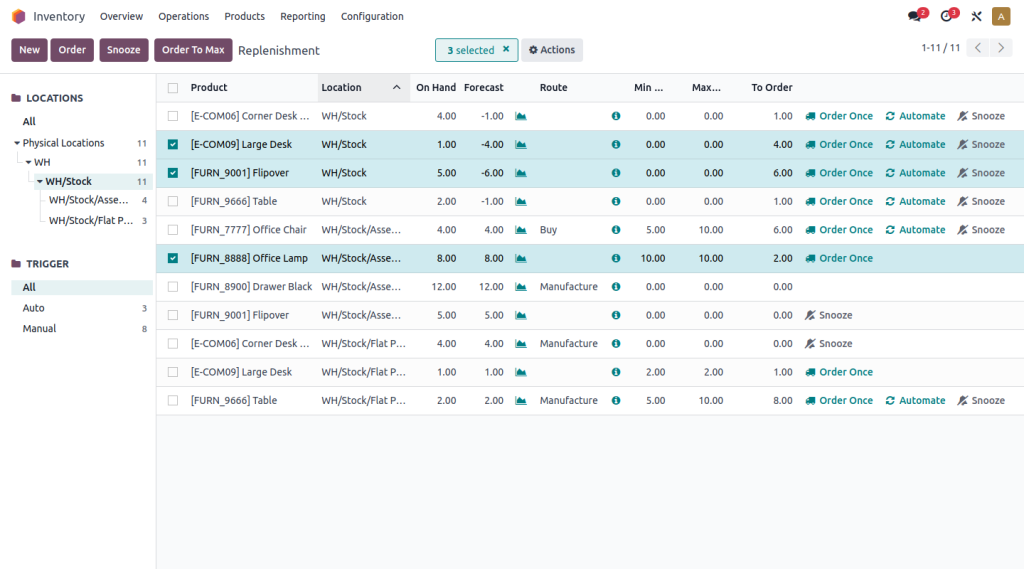
Odoo is an open-source inventory management software that is designed to support growing companies. It assists you in managing incoming and outgoing products, automates the reorders, and controls your warehouse activities in a single location. Odoo provides you with real-time management of your inventory with barcode scanning, batch tracking, and smart automation. The most wonderful thing? It also operates effectively with sales and purchase applications as well as accounting applications.
7. NetSuite Inventory Management:
NetSuite Inventory Management is a component of the NetSuite ERP application, which is suited to medium and large corporations. It has complex functions like demand planning, supply chain management, and warehouse management. NetSuite is an all-inclusive platform that helps in managing every part of a business, including inventory, finances, and customer relationship management.

8. Katana MRP:
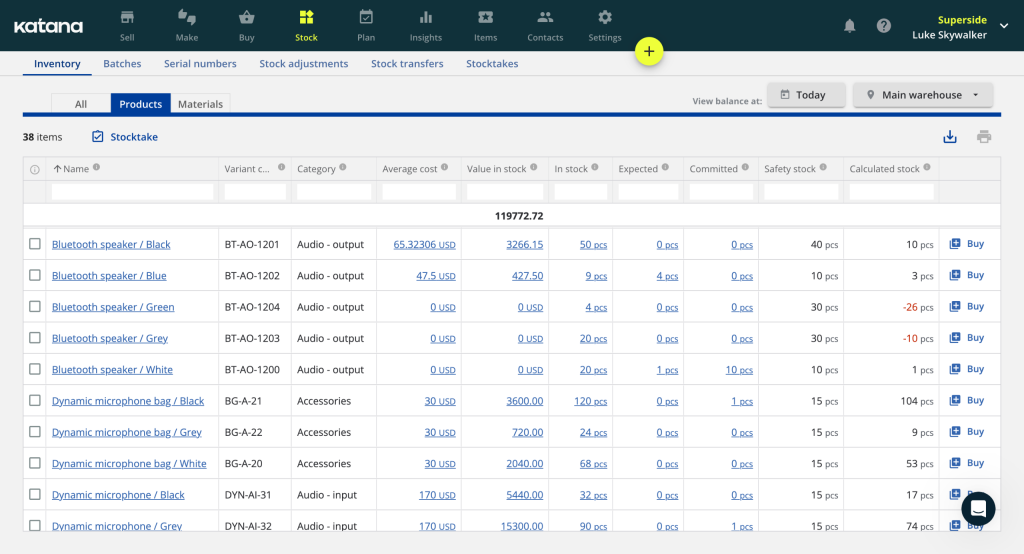
Katana MRP is an ERP manufacturing software designed for the cloud and serving small to medium-sized manufacturers. Some of its features are production planning, inventory control, and shop floor control. Katana MRP comes with a graphical and user-friendly interface to manage manufacturing processes.
9. inFlow Inventory:
inFlow Inventory is a small to medium-sized business inventory system. It has an order management option, an inventory tracking option, and barcode scanning. InFlow Inventory is easy to use and has low-cost pricing plans.

10. Salesforce Commerce Cloud:
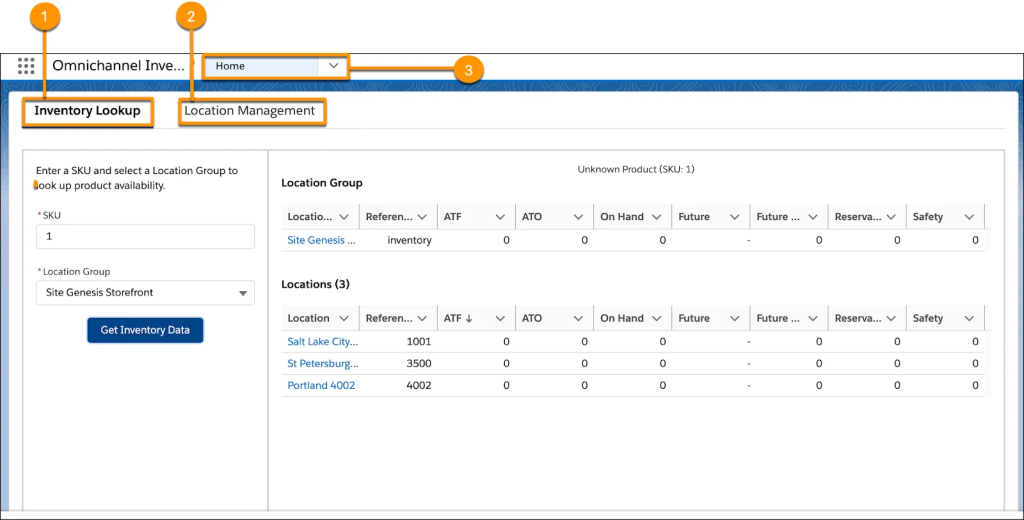
Salesforce Commerce Cloud is one of the most prominent e-commerce platforms that provides strong inventory management in its wide range of features. Commerce Cloud, unlike inventory management systems, was designed to closely intertwine inventory data with other important features of online retailing, like product catalogs, order management, customer information, and marketing automation.
The Right System: How to Select It
Choosing the right inventory management system is challenging. Take into consideration the following:
- Your Business Size: A small business does not need the same things that a large corporation needs. Your Industry: Some systems are more appropriate to particular industries.
- Your Budget: You can find systems that are free to highly expensive. Your Needs: Find out what key functions you want, e.g., manufacturing monitoring, web-based sales management, integration into third-party systems.
- Ease of Use: You should select a system that is easy to use and learn.
Getting Started
Are you ready to install an inventory management system?
Some tips are as follows:
- Use Demo: Take free demos or trials that will test the system.
- Start Small: The most essential features should be deployed, and then more features should be introduced.
- The Training: Make sure that you and your employees are trained.
- Patience: The installation and mastering of a new system are time-consuming processes.
The Takeaway
The usefulness of an inventory management system is priceless to companies that want to increase efficiency, reduce waste, and improve profits. Choosing the proper system and making it work; you will be able to take control of your inventory and put your business in the right place. Start looking into your opportunities now! – Schedule a Demo
FAQ’s
What is an inventory management system?
An inventory management system is software that assists companies to monitor their stocks, plan orders, maintain the activities at the warehouse, and avoid overstocking and stockout. It automates inventory and provides real-time visibility of what is in stock and what is in order and what needs to be replenished.
How does inventory software improve order accuracy?
Inventory software helps to automate the picking, packing, and shipping work by means of barcode scanning and real-time stock information. It prevents wrong products being shipped or excessive sales of products not available in stock resulting in fewer returns and satisfied customers.
Can an inventory system integrate with my existing tools?
Yes. Many inventory management systems are compatible with accounting (such as QuickBooks) and eCommerce (such as Shopify or Amazon) platforms and ERPs. The integrations minimize the input of data manually and keep all systems in real time.
What is GOIS and how does it help manage inventory?
GOIS (Goods Order Inventory System) is a cloud-based inventory management (technology) that assists small to mid-sized companies to monitor inventory in real-time. It provides stock control, purchase management, sales tracking, barcode scanning, and multi-location tools all within a single dashboard. It assists in eliminating overstocking and stockouts as well as enhancing the accuracy of orders.
Can GOIS integrate with QuickBooks and other accounting software?
Yes. GOIS integrates with QuickBooks Desktop and QuickBooks Online seamlessly, and it is simple to synchronize inventory, purchase orders, and invoice data between the systems. This eliminates manual data entry and minimises accounting error.

Naushad Ahmed 
Naushad Ahmed is a technology expert at Goods Order Inventory (GOIS) specializing in inventory management, order fulfillment, and warehouse operations for small and mid-sized businesses. He shares practical insights on inventory control, stock accuracy, automation, and multi-location management to help businesses move beyond spreadsheets, reduce stockouts and overstock, and scale their operations efficiently.