What used to be a simple flow of goods from supplier to customer has now become a complex web of data, automation, and smart technology. By 2026, supply chain inventory management isn’t just about tracking what’s in stock. It’s about seeing the entire picture from raw materials to customer delivery in real time.
Let’s look at what’s coming next and how you can prepare for it.

1. AI Is Becoming the Brain of the Supply Chain
Artificial Intelligence (AI) is no longer just a fancy buzzword — it’s running the show.
AI can read years of sales data, spot demand patterns, and even predict what customers will buy next month.
According to McKinsey, companies that use AI for forecasting can cut supply chain errors by 50% and reduce inventory costs by up to 30%.
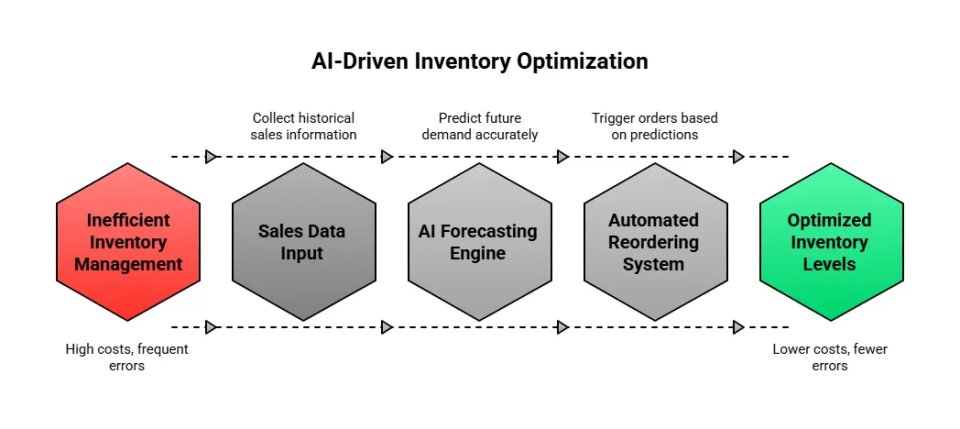
Think of it like this:
| What AI Does | How It Helps |
|---|---|
| Predicts future demand | You stock the right amount of products |
| Automates reordering | You never miss a restock |
| Analyzes patterns | You plan better and waste less |
The more data AI learns from, the smarter your supply chain becomes.
2. Real-Time Visibility Is No Longer Optional
In 2026, businesses can’t afford to “guess” where their inventory is.
Thanks to IoT sensors, RFID tags, and GPS tracking, companies now know exactly where every shipment and product is and when it’ll arrive.
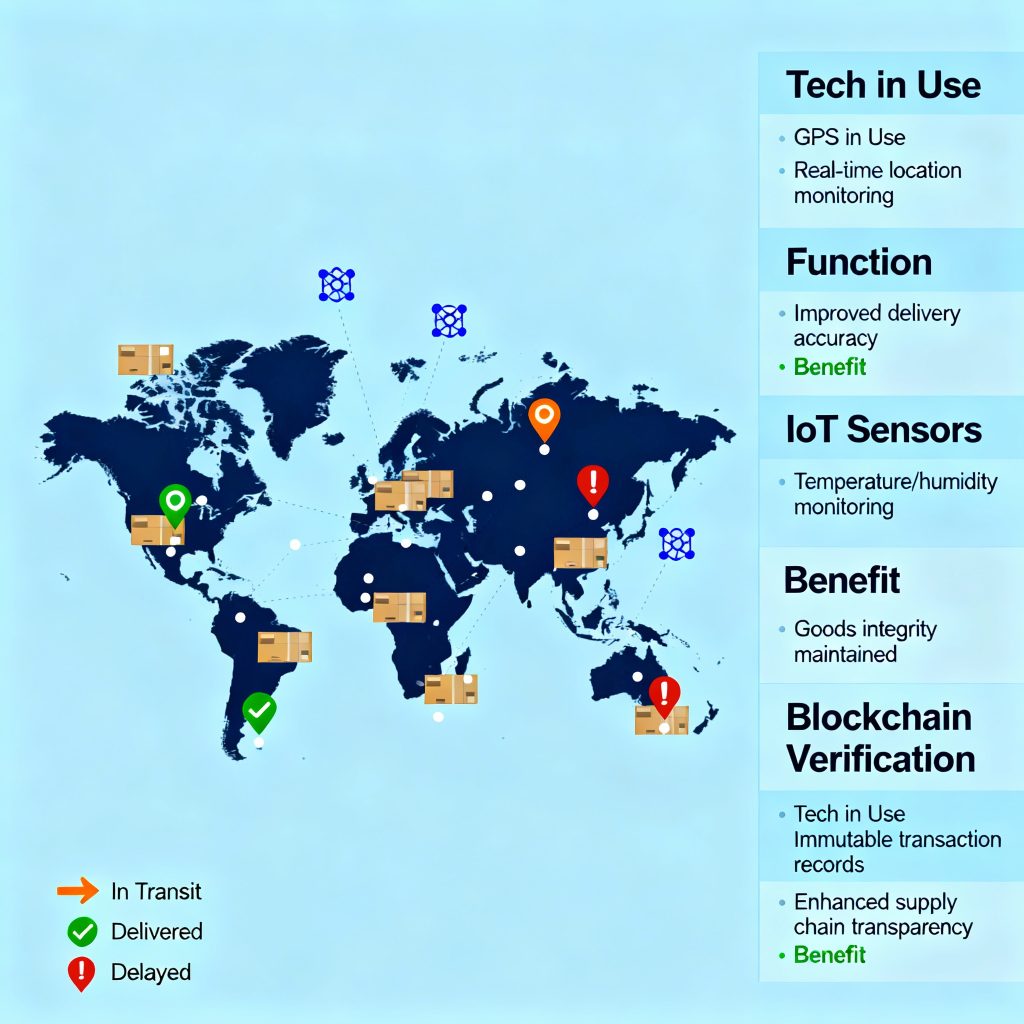
Gartner predicts that 70% of global manufacturers will use IoT tracking by 2026.
| Tech in Use | Benefit |
|---|---|
| GPS & RFID | Live shipment tracking |
| IoT sensors | Condition alerts for sensitive goods |
| Cloud dashboards | One view for all locations |
With full visibility, businesses catch problems before they happen — not after.
3. Cloud-Based Systems Are the New Normal
The days of installing heavy software on office computers are over.
Cloud-based inventory management systems give you access to data anytime, anywhere from your phone, tablet, or laptop.
By 2026, 95% of supply chain applications will run on the cloud (IDC).
Why it matters:
- You see real-time stock updates
- Your team can work from anywhere
- You get automatic backups and updates
- Everything syncs with tools like QuickBooks or ERP systems
Cloud systems make your supply chain flexible, fast, and connected.
4. Sustainability Is Shaping Supply Chain Strategy
Customers now care about where products come from and how they’re handled.
That’s pushing businesses to rethink how they manage inventory.
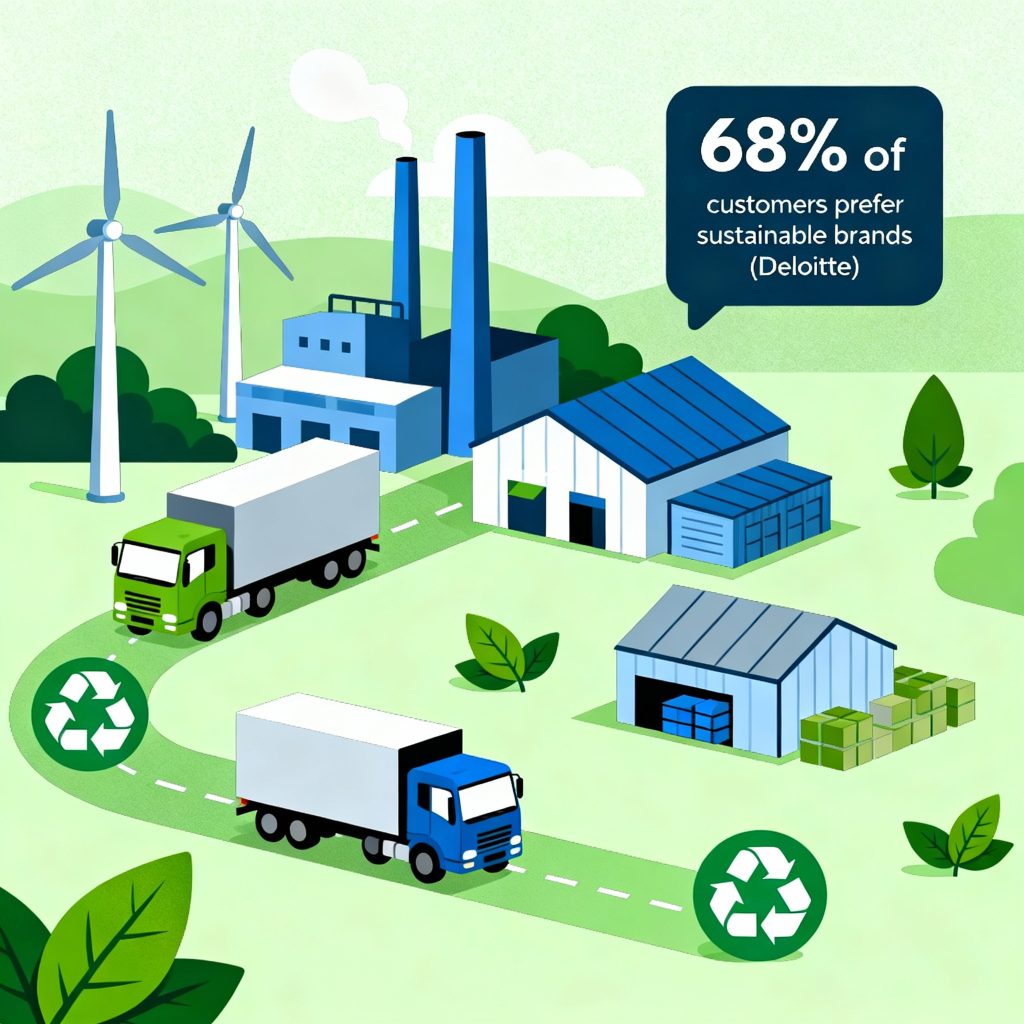
Sustainable supply chains mean:
- Smarter demand planning (less overproduction)
- Energy-efficient warehousing
- Recyclable packaging
- Reduced transport emissions
According to Deloitte, 68% of customers prefer brands that use sustainable supply chain practices and that number is rising.
Sustainability isn’t just good for the planet. It’s good for business.
5. Resilience Is Becoming a Survival Skill
The past few years taught every business one thing: disruption can happen anytime.
Whether it’s global shipping delays, raw material shortages, or political issues, supply chains need to bend without breaking.
That’s where resilience planning comes in.
What companies are doing now:
- Working with multiple suppliers
- Keeping backup inventory in key regions
- Using data to predict possible risks
A PwC report says 76% of companies are redesigning their supply chains for flexibility and resilience.
Because in today’s world, you can’t control everything but you can prepare for anything.
6. Predictive Analytics Is Changing How Businesses Plan
Predictive analytics helps you see what’s next before it happens.
It uses data from sales, seasons, and markets to forecast demand and prevent shortages.
| Predictive Tool | What It Does |
| Demand forecasting | Predicts future sales |
| Risk analysis | Identifies possible delays |
| Trend spotting | Finds new buying patterns |
A DHL report found that predictive analytics improves demand accuracy by up to 85%.
That means fewer lost sales, fewer emergency purchases, and a smoother workflow.
7. Integration Is Becoming the Backbone of Operations
In 2026, businesses don’t want five different systems that don’t talk to each other.
They want one connected ecosystem where inventory, accounting, and sales data sync automatically.
When your inventory management system connects with accounting software like QuickBooks, it:
- Reduces manual data entry
- Keeps reports accurate
- Helps track cash flow in real time
Integration saves hours of work and keeps your business financially aligned with your operations.
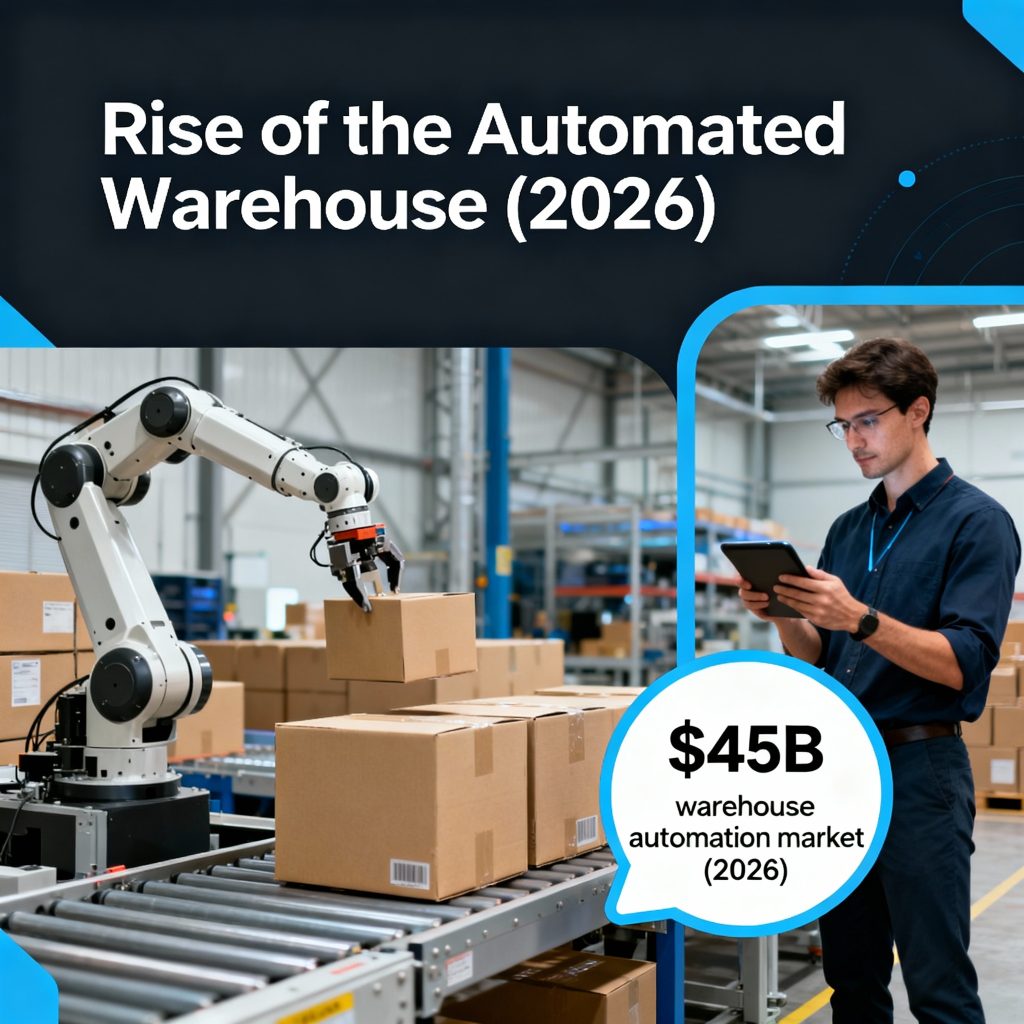
8. Warehouse Automation Is the New Workforce Partner
Robots are becoming part of the team — and they’re making warehouses faster, safer, and more accurate.
They handle repetitive jobs like picking and packing, while humans focus on oversight and quality control.
By 2026, the warehouse automation market is projected to hit $45 billion (Allied Market Research).
Automation leads to:
- Faster fulfillment
- Lower labor costs
- Fewer human errors
- 24/7 operation capability
It’s not about replacing people — it’s about helping teams work smarter.
9. Personalization Is Entering the Supply Chain
Customers expect more tailored experiences now.
That means supply chains are learning to respond to local and individual needs — not just mass demand.
In practice, that means:
- Stocking products based on local trends
- Offering faster delivery in certain areas
- Adjusting pricing based on region or customer type
Personalized inventory planning makes businesses more responsive and profitable.
10. Cybersecurity Can’t Be an Afterthought
As more supply chains go digital, cyber risks rise too.
Each connected device, app, and system creates a potential vulnerability.
Cyberattacks on supply chains rose 46% in 2024, and the trend is expected to continue into 2026.
To stay safe:
- Use encrypted cloud systems
- Control who has access to inventory data
- Run regular security checks
Cybersecurity is now a key part of inventory management — not just IT’s job.
Key Trends at a Glance
| Trend | What It Means | Benefit |
|---|---|---|
| AI & automation | Smarter forecasting and operations | Cuts waste and errors |
| Real-time visibility | Track stock anywhere, anytime | Improves accuracy |
| Cloud-based tools | Access from any device | Enables collaboration |
| Sustainability | Eco-friendly logistics | Builds brand trust |
| Predictive analytics | Anticipates demand | Boosts efficiency |
| Integration | Unified data flow | Saves time and reduces errors |
| Automation & robotics | Smarter warehouses | Increases speed |
| Cybersecurity | Protects systems | Reduces digital risk |
How GOIS Helps You Stay Ahead in 2026
As these trends shape the future, Goods Order Inventory System (GOIS) helps businesses adapt without getting lost in complexity.
With GOIS, you can:
- Track inventory in real time across multiple warehouses
- Automate reordering and restocks
- Integrate with QuickBooks Online and Desktop
- Access cloud dashboards anytime, anywhere
- Eliminate spreadsheets with automated reports and alerts
GOIS makes supply chain inventory management simple, smart, and scalable — whether you’re a retailer, wholesaler, or manufacturer.
It’s the all-in-one platform that keeps your business ready for whatever 2026 brings.
Final Thoughts
Supply chain inventory management is moving toward data, automation, and sustainability and the pace of change won’t slow down.
The companies that win in 2026 will be the ones that can see clearly, plan smartly, and act fast.
With GOIS, you don’t just keep up with change you lead it – Schedule a demo
Frequently Asked Questions (FAQ’s)
1. What are the biggest challenges in supply chain inventory management for 2026?
In 2026, the biggest challenges include managing real-time data across multiple systems, ensuring cybersecurity in digital supply chains, and balancing sustainability with cost efficiency. Businesses also struggle with forecasting accuracy due to unpredictable market shifts.
2. How can small and medium businesses adopt advanced supply chain technology affordably?
Small businesses can start by using cloud-based inventory systems like GOIS, which provide automation, analytics, and integration at a lower cost. They can scale gradually — beginning with digital stock tracking, then adding features like forecasting or supplier management as they grow.
3. How is artificial intelligence changing warehouse management?
AI is transforming warehouses by automating picking, packing, and restocking. It helps predict demand spikes, reduces labor costs, and improves accuracy in real-time. In 2026, AI-driven warehouse systems are expected to cut manual errors by over 40%.
4. How does sustainable inventory management impact profitability?
Sustainable practices such as right-sizing inventory, reducing waste, and using eco-friendly logistics actually save money long-term. They lower carrying costs, improve brand trust, and attract customers who value ethical sourcing, making sustainability both smart and profitable.
5. How does GOIS support end-to-end supply chain visibility?
GOIS provides a single, cloud-based dashboard that tracks products from purchase order to delivery. It integrates with QuickBooks Online and Desktop, syncs stock across multiple locations, and generates real-time reports — helping businesses gain complete visibility and control over their supply chain.

Naushad Ahmed 
Naushad Ahmed is a technology expert at Goods Order Inventory (GOIS) specializing in inventory management, order fulfillment, and warehouse operations for small and mid-sized businesses. He shares practical insights on inventory control, stock accuracy, automation, and multi-location management to help businesses move beyond spreadsheets, reduce stockouts and overstock, and scale their operations efficiently.