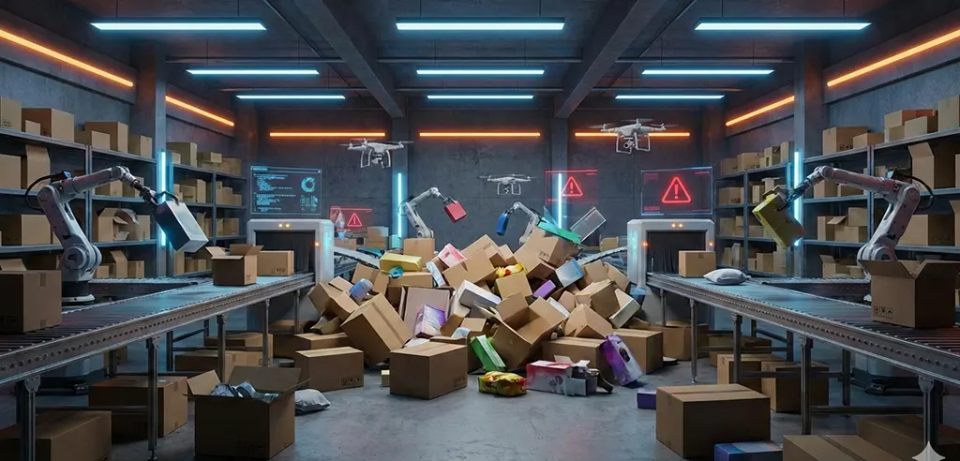
Gone are the days when ecommerce sellers had fixed orders and selling patterns, which were well managed with manual inventory management systems.
With constantly fluctuating customer demands, e-commerce sellers are constantly juggling to manage supplies. Apart, meeting the fast delivery expectations, unpredictable demand, multi-channel sales, and razor-thin margins are making them work under huge pressure.
In the entire scenario, one wrong inventory move can trigger stockouts, canceled orders, unhappy customers, and wasted cash, all in a single week.
In fact, recent industry data shows that inventory mismanagement costs global retailers over $1.9 trillion every year. The major cause of this loss is overstocking and stockouts, contributing almost equally. That number keeps growing as online sales become more complex.
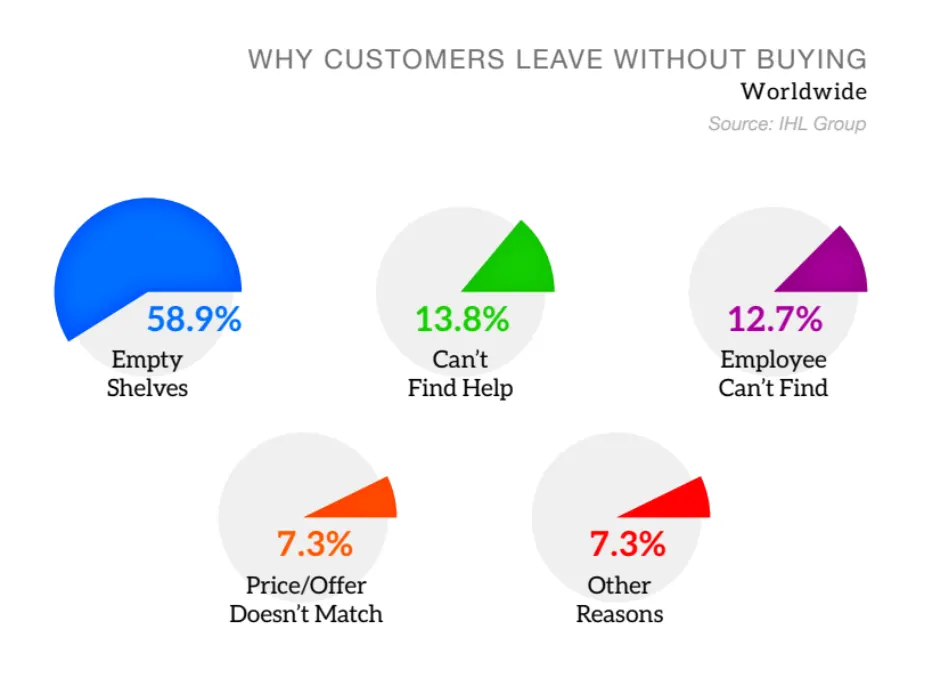
If you’re running an online store in 2026, here are the few alarming inventory mistakes that can’t be overlooked. It’s survival.
Let’s break down the most damaging inventory mistakes e-commerce sellers make in 2026 and the ideal solution to fix them with smarter systems and strategies.
Why Ecommerce Inventory Mistakes Hurt More in 2026?
The rules of managing and operating e-commerce have changed. From tracking inventory to meeting customer expectations and keeping sales high- everything is changed.
In 2026, modern customers expect:
- Same-day or next-day delivery
- Accurate stock availability
- Sustainable operations
- Zero excuses
Meanwhile, ecommerce sellers lacking the right system face:
- Aggressive demand cycles
- Social commerce spikes
- Multiple marketplaces
- Rising storage and fulfillment costs
This creates serious inventory management challenges in ecommerce 2026 businesses that weren’t dealing with even three years ago.
See how real businesses solved their inventory challenges with GOIS – watch the customer story below.
Now, let’s get into the mistakes.
Mistake 1 : Still Assuming Future Demands Instead of Predicting It
Many sellers still rely on spreadsheets and mapping last year’s sales and putting their assumptions for the next year’s sales based on gut feeling.
That’s dangerous!
In 2026, demand is influenced by:
- Social media trends
- Influencer drops
- Flash sales
- Regional buying behavior
- External events
Relying on manual forecasting is the biggest inventory mistake that you are making. It will definitely lead to stockouts during peak demand or overstock during slow weeks.
Think of this example:
An apparel seller went viral on TikTok overnight. The number of orders jumped 4x in 72 hours. Their spreadsheet forecast sounds completely useless here.
The strategic fix:
Replace the legacy system with inventory management systems that use AI-driven demand forecasting features. Most modern inventory systems analyze:
- Real-time sales data
- Seasonality patterns
- Channel-specific trends
- External demand signals
With the advanced system, you can forecast and react in real-time instead of guessing.
Mistake 2: Hoarding Inventory and Ignoring Dead Stock
Overstocking may give you a safe feeling to manage peak demand over a long time, but it quietly drains cash.
Excess inventory increases:
- Storage costs
- Insurance expenses
- Risk of damage or may stock remaining on shelves
If you’re still taking it lightly, then did you know that studies say that 20-30% of e-commerce inventory turns into dead stock every year?
That’s money locked on shelves. This is one of the scariest inventory mistakes that sellers underestimate.
The strategic fix:
Apply inventory segmentation, not blanket stocking. A proven approach is ABC analysis:
- A items: High-value, fast movers
- B items: Moderate sales
- C items: Slow or dead stock
Once categorized:
- Reduce reorder quantities for C items
- Bundle or discount dead stock
- Automate reorder points for A items
Mistake 3: Selling Across Channels Without an Inventory Management System
Amazon, Shopify, Instagram, TikTok Shop- are the giants touching millions of sales every day, and that really sounds great to businesses.
But did you ever imagine how terrible for inventory if their systems aren’t synced?
One of the costliest inventory mistakes in 2026 is multi-channel overselling. A product sells on one channel, but the stock doesn’t update on the others. Orders pile up, and then cancellations start.
What This Leads To:
- Overselling
- Refunds
- Account penalties on marketplaces
- Customer trust issues
The strategic fix:
The best way is to look for the ecommerce inventory management tools that offer a centralized inventory management system with unified controls.
One system, one source of truth with provide you with a big picture of inventory. With this system, every sale instantly updates stock across:
- Marketplaces
- Webstores
- Warehouses
- Fulfillment partners
While managing inventory with a centralized next-gen inventory management platform, there will be no delays and no surprises at the end.
Mistake 4: Taking Order Returns Like an Afterthought
As the frequency of orders or sales is surging, the returns are no longer rare. In 2026, average e-commerce return rates have increased from 20-30%, depending on the product category. Yet many sellers:
- Delay processing returns
- Don’t inspect damaged goods
- Fail to update stock immediately
This leads to “ghost inventory”, items that appear available but aren’t in the form of reselling. This is another silent inventory mistake that hurts fulfillment accuracy, where ecommerce businesses are not able to either sell it or restock it.
The strategic fix:
Create a dedicated return workflow in the system. Every return should be:
- Inspected immediately
- Classified under a defined category, either resell, refurbish, or liquidate
- Updated in inventory in real time
Fast return processing protects inventory accuracy and revenue.
Mistake 5: Poor SKU Structure and Warehouse Complexity
As product catalogs grow, SKU complexity increases. Common problems that ecommerce sellers usually encounter while operating with a legacy system include:
- Duplicate SKUs
- Poor naming conventions
- Missing barcode scans
- Random bin placements
This leads to picking errors, delayed shipments, and higher labor costs.
In fulfillment centers, one picking error can cost 3-5x the product value once returns and reshipping are factored in.
The strategic fix:
Build a clean SKU and warehouse structure. That means:
- Standardized SKU naming
- Barcode scanning at every movement
- Logical bin locations
- Optimized pick paths
Inventory clarity brings faster fulfillment and ensures consistent transparency in the inventory data.
Quick Snapshot: Inventory Mistakes vs Fixes
| Inventory Mistake | Measurable Impact in 2026 | Smart Fix |
|---|---|---|
| Guessing demand instead of forecasting | 15–30% revenue loss annually due to stockouts or overstocking | AI-driven demand forecasting using real-time sales and trend data |
| Dead stock accumulation | 20–25% of inventory value locked in unsold or slow-moving products | ABC analysis, dynamic reorder points, and dead-stock liquidation |
| Multi-channel inventory mismatch | 5–10% order cancellations caused by overselling | Centralized inventory system syncing all sales channels instantly |
| Delayed return processing | 8–12% inventory inaccuracy from ghost or unsellable stock | Dedicated return workflows with immediate stock updates |
| Poor SKU & warehouse organization | 3–5x fulfillment cost increase per picking error | Barcode-based SKU management and optimized bin locations |
| Non-real-time inventory visibility | 10–20% order failure risk during peak sales periods | Real-time inventory integration with WMS and order systems |
| Unsustainable inventory practices | 30–40% higher logistics waste and reduced customer trust | Demand-aligned ordering, optimized packaging, and smarter shipping |
How GOIS Helps E-Commerce Sellers Fix Inventory Mistakes in 2026?
GOIS (Goods Order Inventory System) is a next-gen inventory management software that is crafted specifically to meet modern inventory needs by empowering sellers with new-age functionalities.
GOIS helps sellers:
- Forecast demand using real-time data
- Centralize inventory across channels
- Track returns, damages, and adjustments instantly
- Maintain live inventory visibility
- Optimize stock levels without manual effort
Instead of relying on multiple inventory management tools, spreadsheets, and assumptions, GOIS gives you one connected inventory system for the broad inventory picture.
Final Words
In 2026, inventory is no longer a back-office function; it’s a core business strategy.
The most successful e-commerce brands don’t simply sell more products. They avoid repeating inventory mistakes that drain cash, damage customer trust, and slow down fulfillment. From inaccurate demand forecasting and dead stock to phantom inventory and multi-channel chaos, these problems compound quickly when systems aren’t connected.
By eliminating common inventory mistakes, e-commerce sellers gain better cash flow, fewer order cancellations, stronger marketplace ratings, and the operational confidence to scale without fear.
Frequently Asked Questions( FAQ’s)
1. What are the most common inventory mistakes e-commerce sellers usually make?
The most common ecommerce inventory mistakes can be inaccurate demand forecasting, overstocking slow-moving items, relying on outdated data, poor SKU organization, and unsynchronized stock across multiple sales channels.
2. How does real-time inventory visibility help overcome these inventory mistakes?
Real-time inventory visibility helps you operate with accurate data across warehouses, fulfillment centers, and sales channels. This minimizes the chance of overstocking or out-of-stocking.
3. How do returns contribute to inventory inaccuracies?
Ecommerce sellers working with a lack of returns workflow can create inventory discrepancies. When items are not inspected, classified, and updated immediately, it leads to delayed return processing and increases the chance of ghost stocks, which are not sellable.
4. Why is centralized inventory management important for multi-channel sellers?
Centralized inventory management provides a single source of truth across all platforms. When inventory updates in real time across marketplaces, webstores, and warehouses, sellers can prevent overselling, improve fulfillment accuracy, and reduce operational complexity.
5. How does GOIS help reduce inventory mistakes for e-commerce businesses?
GOIS helps eliminate inventory mistakes by offering real-time inventory tracking, centralized multi-channel synchronization, automated forecasting support, faster return processing, and accurate SKU-level control. This allows e-commerce sellers to scale operations without losing inventory accuracy.

Naushad Ahmed 
Naushad Ahmed is a technology expert at Goods Order Inventory (GOIS) specializing in inventory management, order fulfillment, and warehouse operations for small and mid-sized businesses. He shares practical insights on inventory control, stock accuracy, automation, and multi-location management to help businesses move beyond spreadsheets, reduce stockouts and overstock, and scale their operations efficiently.